





X
Research source
Before Pregnancy

Be aware that aged over 35 you may find it harder to conceive and the risk of birth defects increases steadily with every year you age. While plenty of older women do not have this problem, it can be a concern and is something to be aware of when planning for pregnancy. There will be some extra monitoring and screening for older potential mothers. However, most women over 35 are not infertile and have healthy pregnancies. Treating a woman as a high risk for infertility or difficult pregnancy just because the mother is older will create unnecessary stress when none is needed. A good (and funny) video segment on why pregnancy after 35 is not a big problem and the potential risks overblown is: https://www.youtube.com/watch?v=g9ryP0UyO5U You may, however, want to consider other issues with advanced age if planning for a child. An older mother might be putting a child in kindergarten when many of her friends have high school aged children, for instance. That may be an issue, or not--maybe you will have a circle of babysitters available!

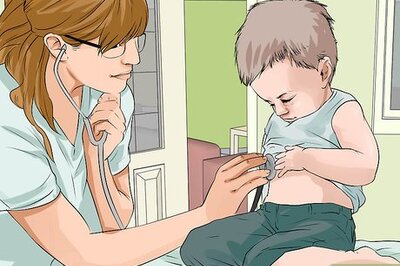
Schedule a pre-conception appointment with your physician or midwife to discuss your health, lifestyle, and pregnancy plans. Now is also a good time to request a thorough health screen.
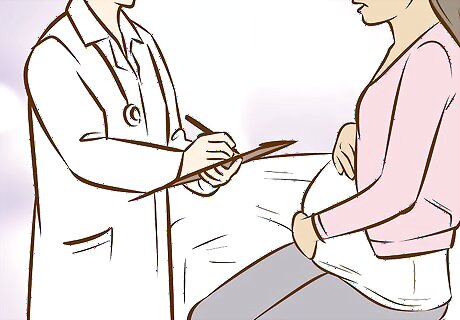
Provide a family and personal health history to your physician or midwife. Your personal history should include pregnancies, surgeries, diseases, disorders, medications, addictions, diet, nutrition, fitness, and social history.

Begin taking a prenatal vitamin three months before you plan on conceiving. Prenatal vitamins include folic acid, which is critical for the development of your baby.

Pregnancy can inspire many positive changes in your life! If you or your partner need assistance with substance, alcohol, or tobacco cessation, now is the time to seek it. Speak to your healthcare provider, she will be able to provide you with many resources to help you achieve your healthy pregnancy goals.
If weight is a concern for you, consult with your healthcare provider or a dietitian.

Establish healthy routines for each day. It's important to take good care of yourself if you're planning to conceive, no matter what age you are. Eat a nutritious diet and stay hydrated by drinking plenty of water and herbal teas. Also, stay active by exercising for 30 minutes a day, 4-6 days a week, and sleep at least 8 hours every night. The more you commit to a routine now, the easier it will be to reestablish it once your baby is born.

Spend time outdoors. The fresh air and sights and sounds of nature are good for the body, mind, and soul.
During Pregnancy
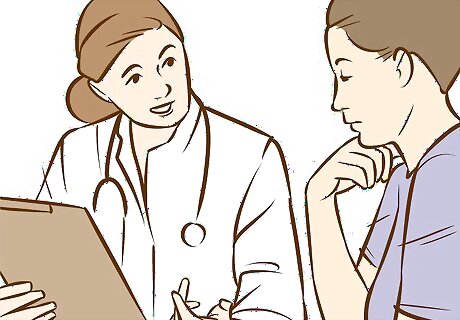
Stick to your doctor's appointments even if everything is going well. Review blood test results taken during pregnancy with the doctor, especially the tests that cover the likelihood of specific birth defects.
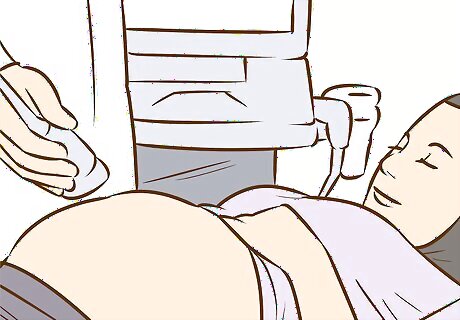
Stick to your doctor's prescribed list of prenatal screening tests. Amniocentesis is often recommended for women over 35 to get more information on the health of the fetus.
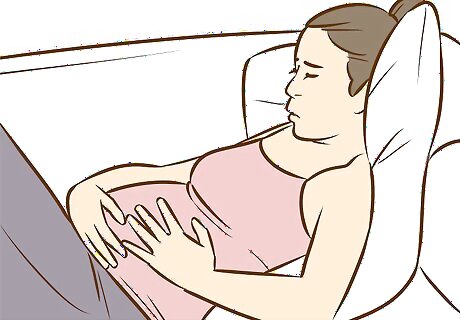
Listen to your instincts. If something feels wrong, go to your doctor or to the hospital.
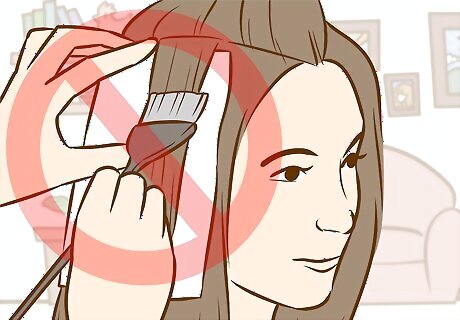
Keep your visits to beauty salons to a minimum. Avoid all chemical fumes. Avoid having your hair colored or chemically treated. Minimize the manicure/pedicure time. Request for a well-ventilated area.

Maintain your diet to prevent gestational diabetes, if possible under strict supervision from a dietician. Gestational diabetes can be a precursor to diabetes later on in life, and results in bigger babies with their own health problems, not to mention a riskier labor. A dietician will also tell you which foods to avoid or reduce (e.g. fish that carries higher risk for mercury).
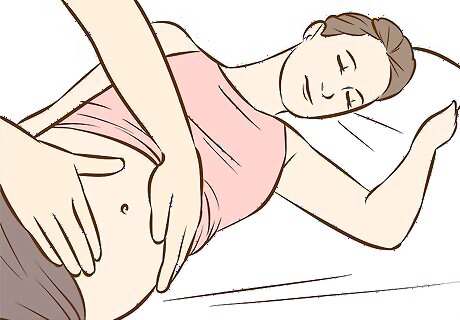
Make regular appointments with a masseuse who specializes in pre-natal massage if you have the option. Regular massage, especially Swedish, Shiatsu, Deep Tissue, and Reflexology, is out of the question.

Stick to a regular routine for sleeping, eating, exercising, and relaxing. Eat a healthy diet with food that's going to nourish you and your baby. In addition, stay as active as you can—it's not healthy to have a sedentary pregnancy. Avoid things like alcohol, caffeine, and sugar while you're pregnant.
Enroll in pre-natal yoga classes two to three times a week. Take moderate walks up to 30 minutes a day.

The first trimester can be difficult. Although many pregnancies go smoothly, there are some common side effects. Listen to your body, slow down, and get extra sleep if you need it. Growing a person takes a lot of energy even if it is the size of a bean. You may or may not experience morning sickness or nausea. Keep nausea at bay by sticking to a 6 times a day diet in small quantities and by avoiding strong smells and greasy, fried foods. Ditch the high heels and switch to flats and supportive sneakers, preferably. Get used to getting bigger shoes to accommodate for the 'swelling'. Your body is slowly increasing its internal heat. Plan your wardrobe accordingly, even in winter.Prepare Yourself for a Healthy Pregnancy at 35 Years Old Step 17 Version 3.jpg
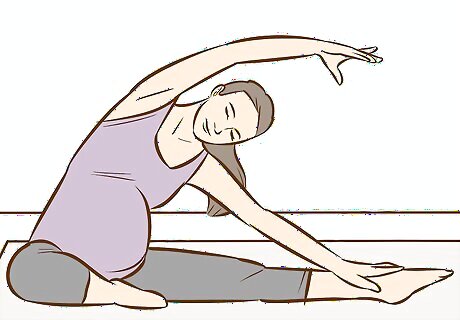
The second trimester is the golden trimester. Keep up the routine.

The third trimester is again very taxing, especially the last 4 weeks. If you are working, and the doctor advises that yours is a high risk pregnancy, then take off from work earlier than scheduled, if possible, as per the doctor's instructions. Keep up the yoga, sleep, diet, light exercise.









Comments
0 comment